



Written by Sunny
Published: 04 Mar 2024

Reviewed by Sherman Smith
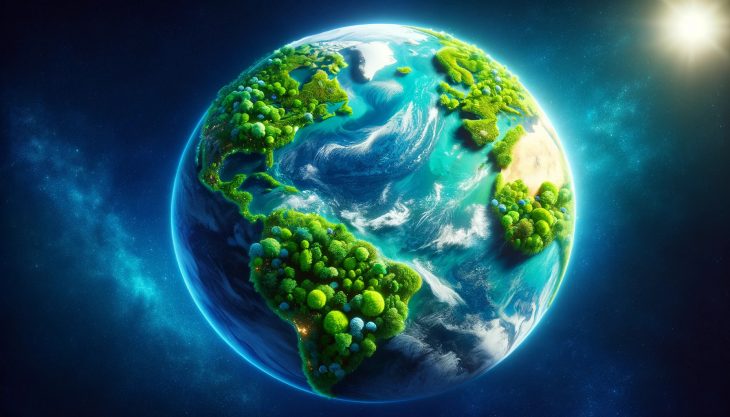
Planet Ecologie embodies the delicate equilibrium of Earth’s ecosystems, now threatened by environmental challenges. This article explores 20 critical facts about our planet’s ecological state and the innovative steps toward its preservation. Highlighting the significance of renewable energy, biodiversity, and conservation, these insights underscore the urgent need for collective action. Through understanding these key aspects, we underscore the shared responsibility to nurture and protect Planet Ecologie for future generations.
1. The Rising Carbon Footprint
Every year, human activities add billions of tons of carbon dioxide to the atmosphere, accelerating climate change. Efforts to reduce this footprint are critical to Planet Ecologie’s health.
2. The Power of Renewable Energy
Renewable energy sources like wind and solar are key to reducing reliance on fossil fuels, offering a cleaner, inexhaustible energy supply for our planet.
3. Biodiversity is Life’s Backbone
Biodiversity ensures natural sustainability for all life forms. Its decline threatens our food security, health, and environment.
4. Water Scarcity Affects Billions
Over 2 billion people live in countries experiencing high water stress, highlighting the need for efficient water management and conservation strategies.
5. The Threat of Plastic Pollution
Millions of tons of plastic end up in the oceans each year, harming marine life and ecosystems. Reducing single-use plastics is a critical step toward a healthier planet.
6. Deforestation Drives Climate Change
Forests absorb carbon dioxide but are being cut down at alarming rates for agriculture and development, contributing to global warming.
7. Air Pollution: A Silent Killer
Air pollution causes millions of premature deaths worldwide, underscoring the urgent need for cleaner energy and transportation options.
8. The Impact of Fast Fashion
The fashion industry significantly contributes to water pollution, waste, and greenhouse gas emissions, pushing for a shift toward sustainable fashion.
9. Sustainable Agriculture for the Future
Adopting sustainable farming practices can reduce environmental impact, preserve resources, and ensure food security.
10. The Role of Technology in Conservation
Innovative technologies, like AI and big data, are being used to monitor biodiversity, manage natural resources, and combat climate change effectively.
11. Urbanization and Its Challenges
Rapid urbanization puts pressure on water supplies, waste management, and air quality, requiring sustainable urban planning and green infrastructure.
12. Green Buildings Reduce Environmental Impact
Green buildings, which use less water and energy, are becoming essential in reducing the environmental footprint of urban areas.
13. The Importance of Public Transportation
Investing in efficient public transportation can significantly reduce traffic congestion, air pollution, and greenhouse gas emissions.
14. The Circular Economy
Moving towards a circular economy, where products are reused and recycled, can minimize waste and resource consumption.
15. The Power of Individual Actions
Individual lifestyle choices, such as reducing meat consumption and conserving energy, can collectively make a significant impact on the planet’s health.
16. The Threat of Melting Ice Caps
Melting ice caps due to global warming result in rising sea levels, threatening coastal communities and ecosystems.
17. Renewable Energy Jobs
The renewable energy sector is creating millions of jobs worldwide, contributing to economic growth while combating climate change.
18. The Importance of Marine Conservation
Protecting marine environments from overfishing, pollution, and acidification is vital for preserving biodiversity and supporting livelihoods.
19. The Role of Education in Sustainability
Educating current and future generations about environmental issues and sustainability is crucial for fostering a culture of conservation.
20. The Global Effort for Climate Action
International cooperation and commitment to agreements like the Paris Accord are essential for achieving global climate goals and protecting Planet Ecologie.
Conclusion
The journey toward a sustainable Planet Ecologie hinges on collective action and innovative solutions. Each of the 20 facts highlighted underscores the urgent need for change across various aspects of human activity, from energy consumption to conservation efforts. By embracing technology, making conscious lifestyle choices, and supporting global sustainability initiatives, we can significantly impact the health of our planet. The responsibility lies with each of us to contribute to a sustainable future, ensuring that Planet Ecologie remains vibrant and viable for generations to come.
Was this page helpful?
Our commitment to delivering trustworthy and engaging content is at the heart of what we do. Each fact on our site is contributed by real users like you, bringing a wealth of diverse insights and information. To ensure the highest standards of accuracy and reliability, our dedicated editors meticulously review each submission. This process guarantees that the facts we share are not only fascinating but also credible. Trust in our commitment to quality and authenticity as you explore and learn with us.